


The reaffirmed IVR A–/Stable rating underscores Indel Money’s strong capitalisation, steady AUM growth, and experienced management.
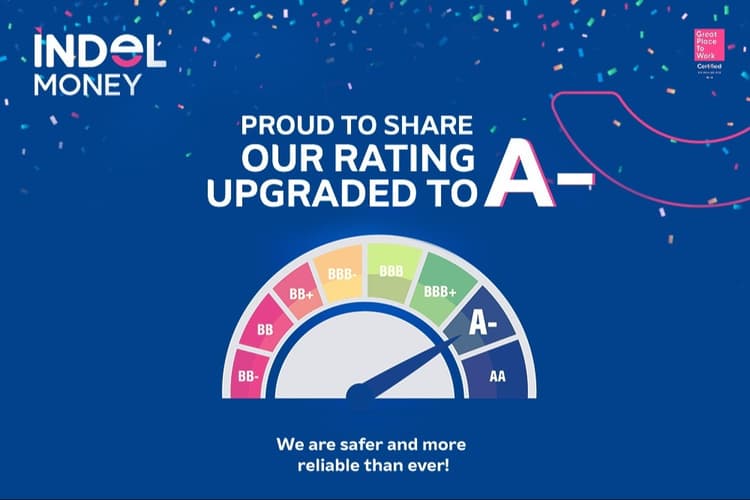
Infomerics Ratings has reaffirmed its rating for the proposed Non-Convertible Debentures (NCDs) of Indel Money Limited (IML) at IVR A–/Stable (IVR Single A Minus with Stable Outlook).
The rating reflects Infomerics’ confidence in Indel Money’s experienced promoters and management team, its established network, improving financial profile, comfortable capitalisation, and diversified funding base.
The ‘Stable’ outlook indicates Infomerics’ expectation of sustained growth in Assets Under Management (AUM) and asset quality through FY26 and FY27, supported by promoter capital infusion and prudent risk management.
This rating review was based on the revised term sheet shared by the company and conducted at Indel Money’s request.
Indel Money continues to maintain strong capitalisation, with net worth at ₹364.74 crore as of June 30, 2025 (₹319.45 crore as of March 31, 2025), supported by continuous promoter infusions.
During FY25 (April 1, 2024 – March 31, 2025), promoters infused ₹100 crore, followed by ₹21.85 crore in Q1 FY26. The company plans to further infuse around ₹80 crore during FY26 to support growth.
The company’s gearing ratio stood at 4.64x at the end of Q1 FY26 (unaudited), compared with 4.44x in FY25, reflecting higher borrowings. Infomerics expects capitalisation to remain comfortable, supported by equity infusions and growing profitability. Gearing levels are projected to improve from FY26 onwards.
Indel Money’s AUM has grown at a CAGR of 52.2% over the past three years, reaching ₹2,334.44 crore in FY25, up from ₹1,533.83 crore in FY24 and ₹1,153.89 crore in FY23. Growth continued into Q1 FY26 (unaudited), with AUM rising to ₹2,544.07 crore.
The company’s portfolio remains predominantly gold loans (around 93%), with business/MSME loans and digital personal loans making up the remainder. Indel Money also holds an AD-II category license from the Reserve Bank of India, strengthening its financial services portfolio.
Driven by robust AUM growth, net interest income rose from ₹100.28 crore in FY23 to ₹174.40 crore in FY25, with ₹62.70 crore recorded as of June 30, 2025.
While Net Interest Margin (NIM) moderated to 9.02% in FY25 from 12.59% in FY24 due to higher borrowing costs and competitive gold loan pricing, it remained strong. As of Q1 FY26, NIM improved to 10.26%, reflecting healthy profitability.
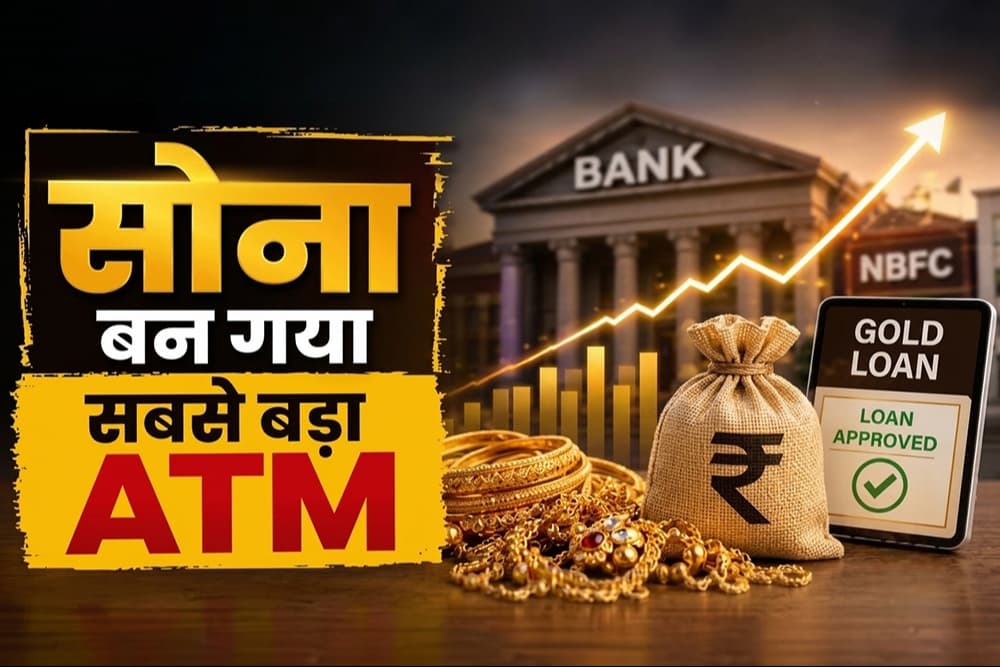
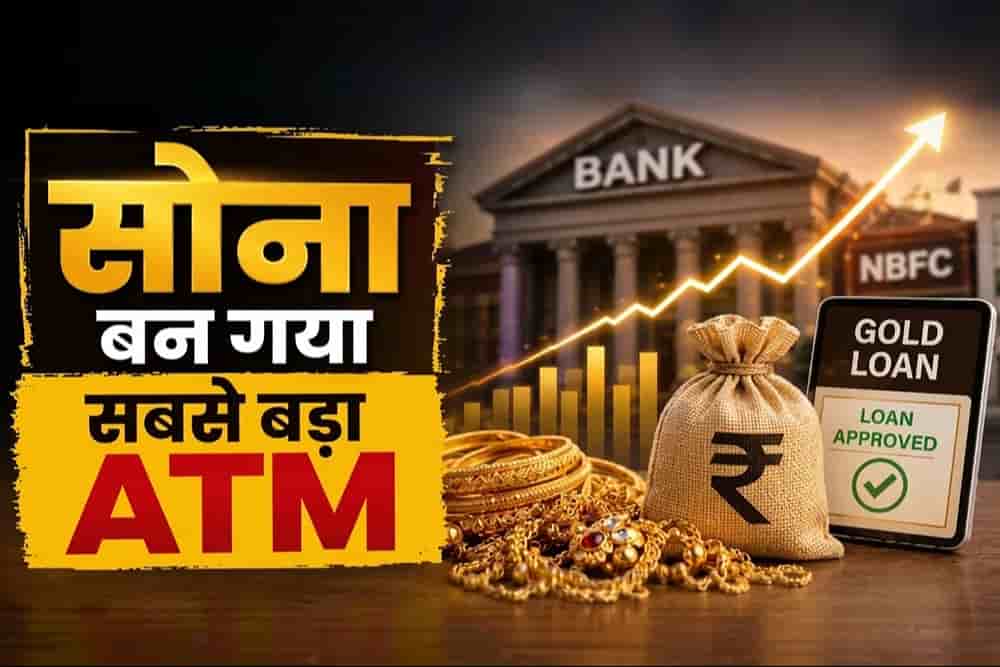
भारत में गोल्ड लोन तेजी से एक प्रमुख वित्तीय उत्पाद के रूप में उभर रहा है। द इकोनॉमिक टाइम्स हिंदी में प्रकाशित एक लेख में इंडेल मनी के Executive Director एवं CEO उमेश मोहनन ने बताया कि बढ़ती सोने की कीमतें, डिजिटल प्रक्रियाएं और संगठित वित्तीय संस्थानों की पहुंच ने गोल्ड लोन बाजार को नई गति दी है।
उनके अनुसार, पिछले कुछ वर्षों में सोने की कीमतों में लगातार वृद्धि हुई है, जिससे ग्राहकों को अपने मौजूदा आभूषणों के बदले अधिक ऋण प्राप्त करने का अवसर मिला है। साथ ही, बैंक और NBFC अब डिजिटल तकनीक के माध्यम से तेज, सुरक्षित और पारदर्शी गोल्ड लोन सेवाएं प्रदान कर रहे हैं। इससे ग्रामीण और शहरी दोनों क्षेत्रों में ग्राहकों के लिए ऋण प्राप्त करना पहले से अधिक आसान हुआ है।
उमेश मोहनन ने यह भी कहा कि गोल्ड लोन की लोकप्रियता बढ़ने के पीछे इसकी सरल प्रक्रिया, कम दस्तावेज़ीकरण और त्वरित स्वीकृति महत्वपूर्ण कारण हैं। संगठित क्षेत्र में गोल्ड लोन के विस्तार से ग्राहकों को बेहतर ब्याज दरें, नियामकीय सुरक्षा और पारदर्शी सेवाएं मिल रही हैं, जिससे अनौपचारिक साहूकारों पर निर्भरता कम हो रही है।
लेख में यह भी बताया गया है कि भारत में परिवारों के पास मौजूद विशाल स्वर्ण भंडार को औपचारिक वित्तीय प्रणाली से जोड़कर आर्थिक गतिविधियों को बढ़ावा दिया जा सकता है। बढ़ती मांग, मजबूत नियामकीय ढांचा और ग्राहकों का विश्वास आने वाले वर्षों में गोल्ड लोन उद्योग की निरंतर वृद्धि का आधार बने रहने की संभावना है।
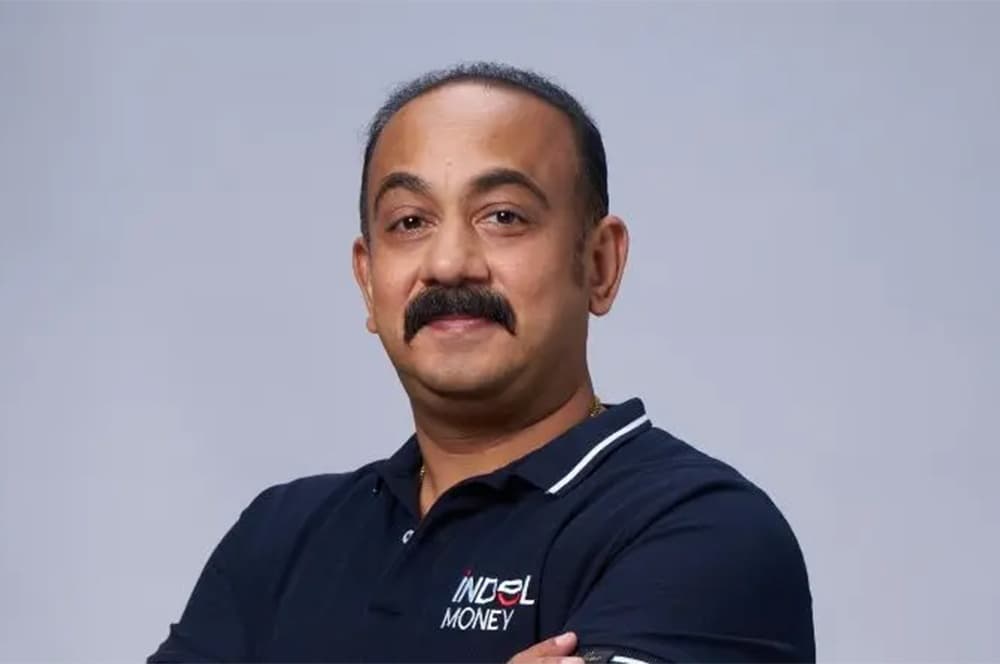
Gold loans are emerging as one of India's fastest-growing retail credit segments, driven by rising gold prices and increased digital adoption. In a recent thought leadership article, Indel Money Executive Director and CEO Umesh Mohanan highlighted why gold loans continue to stand out as one of India’s most resilient credit segments during periods of economic uncertainty. He noted that gold-backed lending has emerged as a reliable source of liquidity.
According to industry data cited in the article, outstanding gold loans in India have crossed ₹4 lakh crore, reflecting strong growth in demand. Gold loans have become one of the country’s fastest-growing retail credit products, supported by rising gold prices, digital adoption, and changing borrower preferences.
Mohanan explained that higher gold prices increase the value of collateral, enabling borrowers to access greater funding and lenders to offer top-up loans within RBI-prescribed loan-to-value norms. Digital transformation has further improved customer experience, making gold loans faster, more transparent, and accessible across urban and rural markets.
He also pointed out that tighter regulations on unsecured lending have encouraged more borrowers to opt for secured credit products such as gold loans. As a regulated NBFC, Indel Money remains focused on responsible lending, customer-centric innovation, and expanding formal credit access, reinforcing the role of gold loans in strengthening India’s financial resilience.