



Indel Money, a leading non-banking financial company, has taken a meaningful step towards social transformation through its CSR arm, Indel Cares. Staying true to its philosophy of giving back to society, the company has launched the ‘SMILE Homes’ initiative, aimed at providing shelter and security to the homeless in Palakkad, Kerala.
The project is being carried out in partnership with the Smart Palakkad Foundation. Each home is meant to be more than just four walls. It represents dignity, security, and the chance for a fresh start.

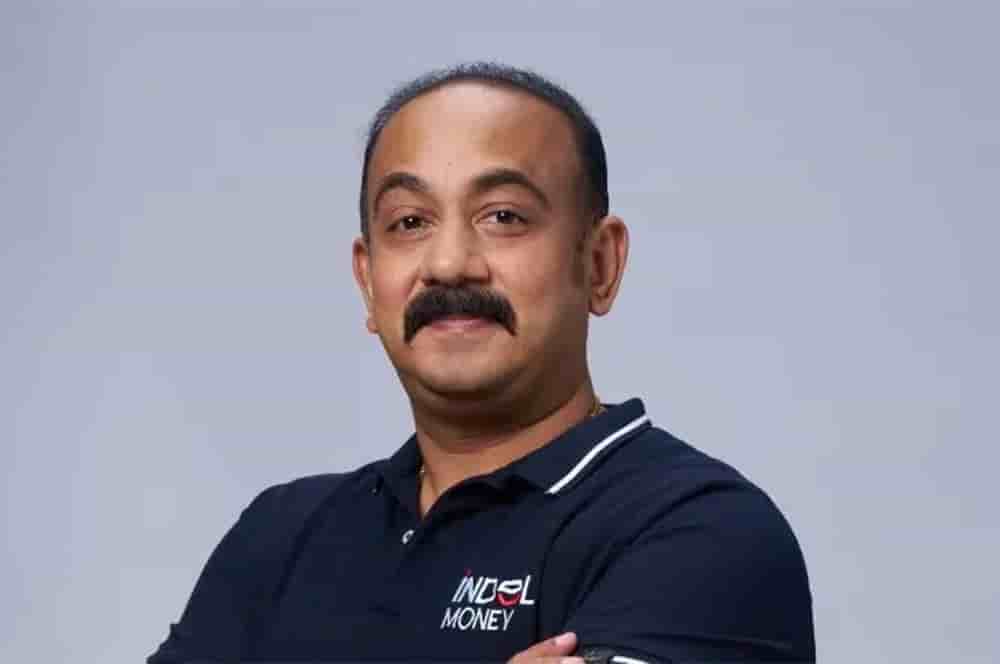
The noble journey officially began on Sunday, August 17, 2025, with the foundation stone laying ceremony for the first five homes. The initiative was officially launched on Sunday, August 17, 2025, with a foundation stone laying ceremony for the first five homes. Malayalam actor Asif Ali joined the event as Chief Guest, along with Indel Money Chairman Mohanan Gopalakrishnan, Executive Director & CEO Umesh Mohanan, and Palakkad MLA Rahul Mankootathil.
The project goes beyond building houses by restoring hope, strengthening communities, and offering a sense of dignity to families in need. SMILE Homes reflects Indel Money’s commitment to social responsibility that reaches beyond business goals, creating real and lasting value in people’s lives.

Through ‘SMILE Homes’, Indel money company is reinforcing its belief that true growth is measured not just by financial success, but by the positive difference made in people’s lives.

भारत में गोल्ड लोन तेजी से एक प्रमुख वित्तीय उत्पाद के रूप में उभर रहा है। द इकोनॉमिक टाइम्स हिंदी में प्रकाशित एक लेख में इंडेल मनी के Executive Director एवं CEO उमेश मोहनन ने बताया कि बढ़ती सोने की कीमतें, डिजिटल प्रक्रियाएं और संगठित वित्तीय संस्थानों की पहुंच ने गोल्ड लोन बाजार को नई गति दी है।
उनके अनुसार, पिछले कुछ वर्षों में सोने की कीमतों में लगातार वृद्धि हुई है, जिससे ग्राहकों को अपने मौजूदा आभूषणों के बदले अधिक ऋण प्राप्त करने का अवसर मिला है। साथ ही, बैंक और NBFC अब डिजिटल तकनीक के माध्यम से तेज, सुरक्षित और पारदर्शी गोल्ड लोन सेवाएं प्रदान कर रहे हैं। इससे ग्रामीण और शहरी दोनों क्षेत्रों में ग्राहकों के लिए ऋण प्राप्त करना पहले से अधिक आसान हुआ है।
उमेश मोहनन ने यह भी कहा कि गोल्ड लोन की लोकप्रियता बढ़ने के पीछे इसकी सरल प्रक्रिया, कम दस्तावेज़ीकरण और त्वरित स्वीकृति महत्वपूर्ण कारण हैं। संगठित क्षेत्र में गोल्ड लोन के विस्तार से ग्राहकों को बेहतर ब्याज दरें, नियामकीय सुरक्षा और पारदर्शी सेवाएं मिल रही हैं, जिससे अनौपचारिक साहूकारों पर निर्भरता कम हो रही है।
लेख में यह भी बताया गया है कि भारत में परिवारों के पास मौजूद विशाल स्वर्ण भंडार को औपचारिक वित्तीय प्रणाली से जोड़कर आर्थिक गतिविधियों को बढ़ावा दिया जा सकता है। बढ़ती मांग, मजबूत नियामकीय ढांचा और ग्राहकों का विश्वास आने वाले वर्षों में गोल्ड लोन उद्योग की निरंतर वृद्धि का आधार बने रहने की संभावना है।
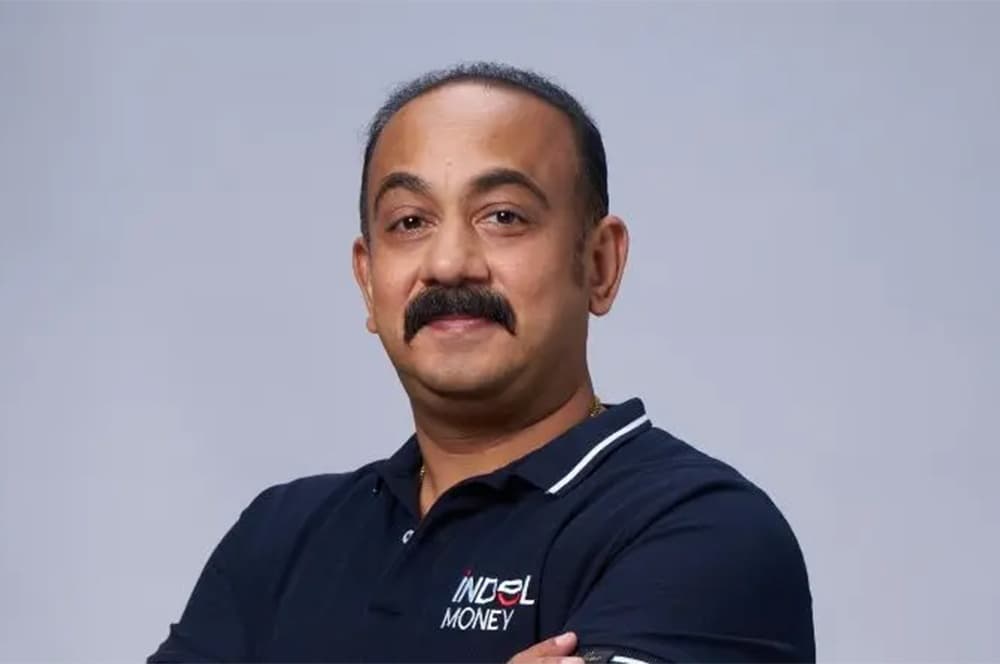
Gold loans are emerging as one of India's fastest-growing retail credit segments, driven by rising gold prices and increased digital adoption. In a recent thought leadership article, Indel Money Executive Director and CEO Umesh Mohanan highlighted why gold loans continue to stand out as one of India’s most resilient credit segments during periods of economic uncertainty. He noted that gold-backed lending has emerged as a reliable source of liquidity.
According to industry data cited in the article, outstanding gold loans in India have crossed ₹4 lakh crore, reflecting strong growth in demand. Gold loans have become one of the country’s fastest-growing retail credit products, supported by rising gold prices, digital adoption, and changing borrower preferences.
Mohanan explained that higher gold prices increase the value of collateral, enabling borrowers to access greater funding and lenders to offer top-up loans within RBI-prescribed loan-to-value norms. Digital transformation has further improved customer experience, making gold loans faster, more transparent, and accessible across urban and rural markets.
He also pointed out that tighter regulations on unsecured lending have encouraged more borrowers to opt for secured credit products such as gold loans. As a regulated NBFC, Indel Money remains focused on responsible lending, customer-centric innovation, and expanding formal credit access, reinforcing the role of gold loans in strengthening India’s financial resilience.